

Understanding Luck and Skill
The dichotomy between luck and skill in gambling is a long-standing debate that captivates enthusiasts and experts alike. Luck refers to unpredictable elements that can influence the outcome of a game, such as the roll of dice or the shuffle of cards. In contrast, skill encompasses the strategies, knowledge, and experience a player possesses, allowing them to make informed decisions during gameplay. Additionally, some players seek out online casino instant withdrawal options to enhance their experience, creating a unique environment in which both factors can dramatically influence a gambler’s success or failure.
Many games of chance, such as slots and roulette, are heavily reliant on luck. In these scenarios, players have little to no control over the results, making success largely a matter of chance. On the other hand, games like poker and blackjack require a deeper understanding of strategy and the psychology of opponents, showcasing the importance of skill. The balance between these two elements may vary significantly depending on the type of game, influencing how players approach their betting strategies.
Moreover, the psychological impact of luck versus skill cannot be understated. Players who believe that skill plays a major role may engage in more thoughtful strategies, consequently enhancing their experience and potential outcomes. In contrast, those who attribute their losses solely to bad luck may feel disheartened, leading to a disengagement from strategic play. This emotional aspect underscores how gambling is not just a game of numbers but also of mental fortitude and belief in one’s abilities.
The Role of Luck in Different Gambling Games
Luck plays a critical role in various gambling games, particularly those classified as games of chance. In these games, the outcome is determined by random events, such as spinning a roulette wheel or drawing cards from a shuffled deck. Because players cannot influence these outcomes, their success is predominantly tied to chance. This randomness is what draws many players to such games, as the thrill of possibility often outweighs strategic decision-making.
For instance, in slot machines, the outcome is entirely dependent on random number generators, which means that no amount of skill can alter the result of a spin. Players often experience streaks of wins or losses, which can often feel like a rollercoaster ride of emotions. This reliance on luck can lead to a sense of excitement and anticipation, encouraging repeated play, even if the odds are not in the player’s favor.
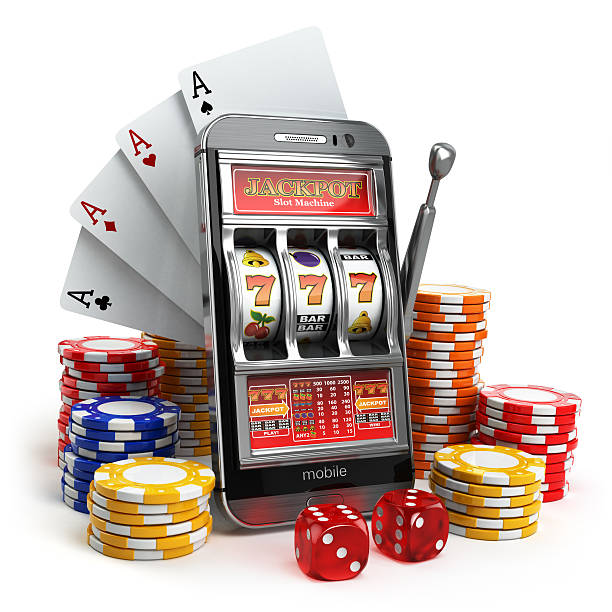
Additionally, the allure of substantial jackpots often leads to players underestimating the role of luck. While one spin could result in a life-changing win, the reality is that most spins will not yield such results. This imbalance between luck and expectation can create a cycle where players chase losses, reinforcing the idea that luck is a double-edged sword in the gambling world. Understanding this dynamic can help players approach these games with more realistic expectations and strategies.
The Importance of Skill in Competitive Gambling
While luck plays an undeniable role in various forms of gambling, skill becomes critical in games where strategy and decision-making are paramount. Competitive games like poker require players to outsmart their opponents through a deep understanding of the game mechanics and betting patterns. Here, the skilled player can consistently outperform less experienced opponents, demonstrating that knowledge and practice can lead to better outcomes over time.
Moreover, skill in competitive gambling often involves a psychological component. A skilled player can read other participants, assess their tendencies, and make strategic moves that maximize their potential for winning. For instance, in poker, bluffing and understanding when to fold are crucial skills that can turn the tide in a player’s favor. This interplay of skill over luck can create a more engaging experience, as players invest time in honing their abilities.
Furthermore, the element of skill is not limited to the game itself; it extends to bankroll management and decision-making processes. Skilled players are adept at calculating odds and making informed choices based on their understanding of risk versus reward. This strategic mindset can mean the difference between long-term success and ultimate failure in the competitive gambling landscape, showcasing the importance of cultivating skill alongside an understanding of luck.
Finding Balance Between Luck and Skill
In the world of gambling, finding the right balance between luck and skill is crucial for enhancing the player experience and improving success rates. While games of pure chance may offer excitement and unpredictability, integrating skill-based strategies can elevate a player’s chances over time. For many players, transitioning from luck-driven games to skill-heavy ones can lead to a more fulfilling gambling journey.
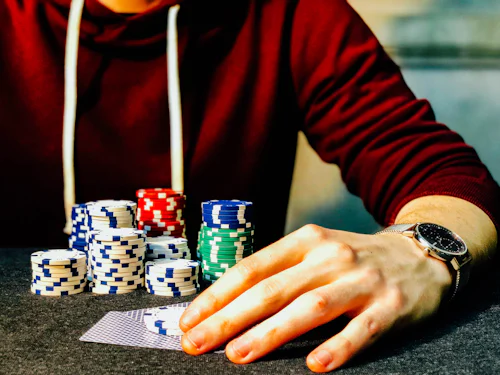
Many seasoned gamblers advocate for a balanced approach, where one acknowledges the role of luck while simultaneously developing skills suited to specific games. For instance, learning optimal strategies in blackjack can help mitigate the house edge, enhancing the player’s overall experience. This dual focus can lead to a more rounded understanding of gambling, allowing players to enjoy games of chance while leveraging their skills in competitive scenarios.
Moreover, as players become more aware of the interplay between luck and skill, they often develop healthier gambling habits. Recognizing that luck can fluctuate but skill can be cultivated encourages a more responsible approach to betting. This awareness leads to a more sustainable engagement with gambling, promoting long-term enjoyment and minimizing the potential for negative consequences associated with gambling addiction.
Exploring More Resources About Gambling
For those interested in delving deeper into the intricacies of gambling and the roles of luck and skill, numerous resources are available that provide valuable insights. Educational websites and online forums offer extensive information about different gambling strategies, their psychological impacts, and the latest trends in both land-based and online gaming environments. These platforms can help players understand the nuances of various games, empowering them to make informed choices.
Additionally, professional gambling schools and workshops allow individuals to learn from experts and refine their skills in a structured setting. Through comprehensive training and practice, aspiring gamblers can equip themselves with the necessary tools to navigate both luck-driven and skill-based games effectively. This education can lead to a more enriching gambling experience, where players are prepared to face the unpredictable nature of chance while leveraging their acquired skills.
Overall, whether one seeks to rely on luck, develop skills, or find the perfect balance between the two, the journey through gambling can be both fascinating and informative. Exploring these resources can transform the gambling experience from mere chance into a thrilling adventure characterized by strategy, psychology, and responsible decision-making, ultimately enhancing both enjoyment and success in the gaming arena.