

The fascinating evolution of gambling through the ages
The Origins of Gambling
The origins of gambling can be traced back to ancient civilizations, where the act of wagering was often tied to ritualistic practices. Archaeological evidence suggests that the earliest forms of gambling date back to around 3000 BC in Mesopotamia, where dice made from animal bones were found. These primitive games of chance laid the groundwork for the gambling practices that would evolve in various cultures across the world. Today, players can enjoy modern online platforms like https://magicsin77-australia.com/promo-code/ which offer exciting options.
In ancient China, gambling became formalized through games like Keno, which were played to raise funds for the military. The concept of chance and betting was also prevalent in the Roman Empire, where dice games flourished. However, these early forms of gambling were often met with suspicion and legal scrutiny, as authorities feared the social consequences of unregulated betting activities.
Despite the controversies, gambling persisted through the ages. It became an intrinsic part of social gatherings and festivities. The establishment of official gaming houses in medieval Europe marked a significant evolution, as gambling transitioned from informal activities to organized events, paving the way for the regulated gambling industry we recognize today.
The Development of Casino Culture
The 17th century saw the emergence of formalized casinos, particularly in Italy, where the first public gambling houses, or “ridotti,” were established. These venues catered to the affluent and provided a glamorous atmosphere for various games of chance. This concept quickly spread throughout Europe, as countries like France and Spain opened their own casinos, becoming hubs of entertainment and social interaction.
The 19th century brought about significant changes in gambling culture, especially with the industrial revolution and the rise of urban centers. Casinos became extravagant establishments that offered not just gambling but a full entertainment experience, including dining and performances. The introduction of games such as roulette and poker solidified their popularity among patrons looking for both thrill and leisure.
As casinos became mainstream, they faced increasing regulation. Governments recognized the potential revenue from gambling, leading to the establishment of laws and licensing processes aimed at curbing illegal gambling activities. This duality of regulation and enjoyment has continued to define casino culture, influencing how gambling is perceived in society.
The Age of Technology and Online Gambling
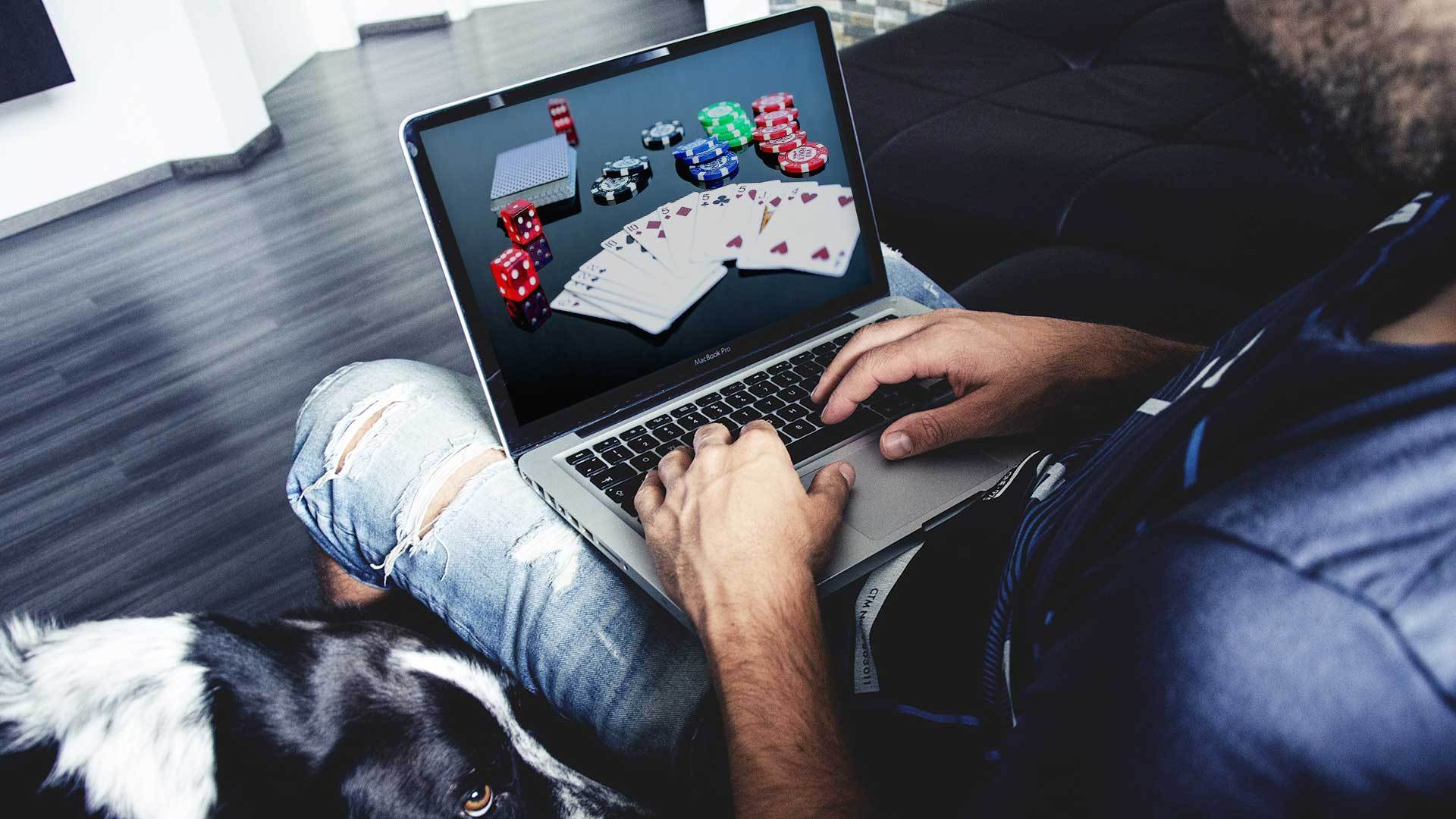
The late 20th century marked a pivotal change in gambling with the advent of the internet. The first online casinos began operating in the mid-1990s, opening up a new realm of possibilities for gamers. Players could now access a variety of games from the comfort of their homes, radically transforming how gambling was experienced. This shift brought about an unprecedented level of convenience and accessibility.
Online gambling expanded rapidly, with platforms offering a plethora of games, from traditional table games to innovative slots. The use of random number generators ensured fairness, and secure payment methods provided players with confidence in their transactions. Furthermore, the introduction of mobile gambling allowed individuals to engage in betting activities anytime and anywhere, catering to a more dynamic lifestyle.
The rise of online gambling also sparked discussions about responsible gaming and addiction. Many platforms began implementing measures to promote healthy gambling habits, providing resources for those who may struggle with addiction. This new approach aimed to create a safer environment while still allowing for the enjoyment of gaming.
The Globalization of Gambling Trends
As gambling practices evolved, they began to transcend borders, leading to a globalization of trends and cultures associated with gaming. Countries around the world have adopted their own unique styles of gambling, from the vibrant street gambling in Asia to the opulent casinos in Las Vegas. This globalization has enriched the gambling landscape, allowing for a mix of traditional and contemporary practices.
International events, such as the World Series of Poker, have contributed to the popularity of gambling. Television broadcasts and online streaming have made it easier for fans to engage with these events, broadening the appeal of gambling beyond just the act itself to include the excitement of watching and participating in competitions.
Moreover, the rise of sports betting has taken the gambling industry by storm. With various legal frameworks emerging worldwide, fans can now legally bet on their favorite sports teams, adding an exhilarating layer to their viewing experience. This blend of tradition and innovation illustrates the ever-evolving nature of gambling, highlighting its ability to adapt to changing societal norms and technological advancements.

Online Gambling and Responsible Gaming
As online gambling continues to thrive, platforms like magicsin77 Australia have emerged, catering to a diverse audience with tailored offerings. By providing exclusive promo codes, bonuses, and promotions, they enhance the gaming experience for players. This accessibility allows individuals to maximize their enjoyment while minimizing the associated risks of gambling.
In response to the growing concerns surrounding gambling addiction, reputable online casinos prioritize responsible gaming measures. They implement tools that allow players to set limits on their deposits and playtime, fostering a healthier gambling environment. Resources and support systems are readily available, ensuring that players can seek help if they feel overwhelmed.
Ultimately, the evolution of gambling reflects the balance between entertainment and responsibility. As the industry continues to innovate, platforms like magicsin77 Australia emphasize the importance of safe gaming practices while offering an exhilarating experience for enthusiasts. The future of gambling will likely depend on this equilibrium as technology and societal attitudes continue to change.